How to Make A Decision If Assisted Living Is the most effective Fit
Business Name: BeeHive Homes of Levelland
Address: 140 County Rd, Levelland, TX 79336
Phone: (806) 452-5883
BeeHive Homes of Levelland
Beehive Homes of Levelland assisted living care is ideal for those who value their independence but require help with some of the activities of daily living. Residents enjoy 24-hour support, private bedrooms with baths, medication monitoring, home-cooked meals, housekeeping and laundry services, social activities and outings, and daily physical and mental exercise opportunities. Beehive Homes memory care services accommodates the growing number of seniors affected by memory loss and dementia. Beehive Homes offers respite (short-term) care for your loved one should the need arise. Whether help is needed after a surgery or illness, for vacation coverage, or just a break from the routine, respite care provides you peace of mind for any length of stay.
140 County Rd, Levelland, TX 79336
Business Hours
Choosing where an older adult should live is rarely a tidy, obvious choice. It usually shows up after a slow-moving accumulation of little things: a missed dish here, a neglected medicine there, a loss that could have been worse, a home that used to really feel reassuring and now appears tougher to handle every month. Households usually invest a long period of time attempting to preserve the status, and that reaction is easy to understand. The majority of people want to stay at home as long as possible. The concern is not whether home issues, however whether home is still the best and most sustainable setup for day-to-day life.
Assisted living sits in that middle room in between complete independence and permanent skilled nursing. For many individuals, it protects self-respect, privacy, and regular while decreasing the worry of food preparation, home cleaning, transport, medication reminders, and isolation. For others, it is not the appropriate level of support in all. The real obstacle is learning just how to discriminate without awaiting a situation to make the decision for you.
What assisted living really is, and what it is not
Assisted living is typically explained too generally, which causes complication. Some family members visualize a clinical environment, while others visualize a hotel with assistance offered if needed. The fact is someplace between those extremes. Assisted living areas are created for people that can no more handle every facet of life safely on their own, but who do not need the consistent clinical supervision of a nursing home.
A typical community aids with activities such as showering, clothing, brushing, meals, drug suggestions, mobility assistance, and transport to appointments or tasks. The exact solutions vary widely, which variation matters. One area might be well matched to someone who requires a hand with showering and suggestions to take morning medicine. One more might be much better for a person that needs constant cueing, close guidance, or advanced personal care.
It is equally crucial to understand what assisted living is not. It is not meant to replace competent nursing take care of someone with complicated wounds, unsteady medical problems, or continuous professional needs. It is additionally not an enchanting fix for dementia, family dispute, or persistent solitude. An excellent fit relies on the individual's requirements, choices, and clinical realities, not on a brochure or a floor plan.
When family members search for assisted living near me or senior care near me, they are typically truly asking a much deeper question, which is not simply where can my parent live, but what sort of assistance will really make life better?
The indications that home is starting to antagonize someone
Families normally do not choose assisted living because of one remarkable occasion. More often, the evidence shows up in layers. A parent who made use of to cook every evening currently depends on snacks and icy food because cooking really feels stressful. A spouse notifications drug bottles piling up or being taken at the wrong times. A kid stops by and realizes the fridge teems with run out food. A little girl gets a call after another loss, and the description does not rather make sense.
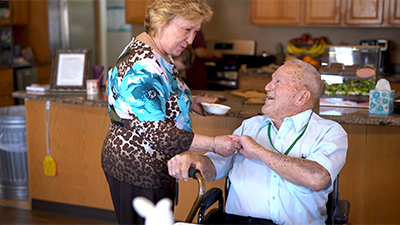
There are a couple of patterns I enjoy closely when helping households believe this via. The first is a decline in personal hygiene or look. Individuals do not quit bathing or dressing well even if they are persisting. Often the shower feels unsafe. In some cases joint inflammation makes buttons and zippers agonizing. Occasionally clinical depression or cognitive decrease makes the whole routine feeling overwhelming.
The second pattern is medication drift. Missing one pill may not appear severe, but duplicated errors can snowball. I have actually seen households utilize pill coordinators, phone alarm systems, and color-coded charts for months prior to realizing the actual issue was not lapse of memory alone. It was the mix of forgetfulness, vision adjustments, bad cravings, and tiredness. Assisted living can assist with drug tips, but if the person can not dependably manage even with prompts, that is a significant signal.
The third pattern is social withdrawal. Older adults that are quietly becoming separated commonly tell household they are "fine." They may be investing whole days alone, not since they enjoy privacy, yet because driving really feels demanding, staircases are tiring, and connecting to others has actually become harder than it utilized to be. Assisted living can be a solid choice here since it normally integrates memory care in contact with other people, dishes, activities, and staff.
The fourth pattern is home upkeep breaking down. A residence that once really felt very easy to take care of can come to be a concern. Bills go unpaid, trash collects, the range is seldom made use of, and a once-tidy area begins sensation risky or messy. When the atmosphere starts to create threat, the discussion changes from preference to practicality.
A practical check out the main trade-offs
Assisted living is frequently the right choice for individuals that require support, yet it is not immediately the very best choice for every person. The trade-offs should have truthful attention.
The strongest disagreement for assisted living is safety with framework. Dishes are readily available. Help neighbors. Personnel can observe modifications in condition earlier than family members in some cases can, especially if the older adult lives alone. That matters greater than individuals realize. A delayed shower, a skipped lunch, or a minor stumble can cause a larger decline if nobody is there to intervene.
The other significant advantage is relief from the unnoticeable labor of day-to-day live. Numerous older grownups do not just need help with tasks. They require remedy for the continuous mental tons of choosing what to eat, whether to bathe now or later, whether to call the pharmacy, and just how to reach the doctor. A good assisted living setting reduces that tons without stripping away autonomy.
The downside is that assisted living is not the like going to home. There are routines. There are guidelines. Privacy is different. Some citizens adjust swiftly, while others really feel boxed in at first. That modification period is real, and families occasionally underestimate it. An individual that has actually lived alone for decades might bristle at established dish times or shared spaces. That does not always imply the relocation was incorrect, but it does suggest expectations must be realistic.
Cost is one more inevitable trade-off. Assisted living is not economical, and pricing frameworks can be complicated. Base rates might look convenient till care levels, medication management, wheelchair support, or memory care solutions are added. A family members comparing senior living options need to ask not only what the regular monthly charge is today, however what could happen if needs boost over the following year or two.
When assisted living makes sense, and when it might not
The right choice usually comes down to how demands and self-reliance intersect. Assisted living has a tendency to make good sense when an individual is still able to participate in every day life, yet just with a reasonable amount of support. They may be cognitively undamaged or gently forgetful, literally unstable, or simply overwhelmed by the logistics of living alone. They can generally connect preferences, appreciate neighborhood, and move via their day with some help.
It may be the best fit when family caregivers are beginning to wear out. That factor comes sooner than many individuals expect. Grown-up kids often try to cover everything themselves, and for some time they can. After that the routine gets difficult. They are making meals, managing medications, offering transport, dealing with washing, and dealing with emergency situations, all in addition to job and family responsibilities. Respite care can occasionally link the void, yet if the requirement is continuous, assisted living may provide the steadier solution.
It might not be the most effective fit if the individual needs extensive medical care, has constant behavior obstacles that call for specialized guidance, or is no longer secure despite pointers and help. Advanced dementia, for example, may call for a memory care setting as opposed to basic assisted living. Reoccurring drops, oxygen dependancy, complicated injury care, or rapidly changing wellness problems may direct toward a higher degree of care.
Families usually wish the response will be obvious when it rarely is. What assists is matching the setting to the real degree of support needed, not the level of support a person wishes they still had. Hope issues, but so does clear-eyed judgment.
Questions that cut through denial and guesswork
A great choice usually begins with truthful inquiries, asked without defensiveness. These are the kinds of inquiries that help family members move from unclear worry to functional clarity.
- Can the individual handle showering, clothing, toileting, and meals safely most days?
- Are drugs being taken properly without constant oversight?
- Has there been an autumn, near fall, or repeat emergency clinic visit in the previous six to twelve months?
- Is loneliness, confusion, or seclusion entering into everyday life?
- Is the family providing care that is starting to feel unsustainable?
These inquiries are not meant to embarassment any individual. They are a truth check. If numerous of them aim in the same direction, assisted living is entitled to serious factor to consider, even if nobody desires the conversation.
The function of family characteristics, and why they complicate everything
A senior care decision is never nearly the senior. It impacts partners, grown-up kids, siblings, and often also next-door neighbors or close friends who have actually silently entered into the care network. That is one factor these choices are so psychologically challenging. People are not only considering health and wellness. They are evaluating regret, commitment, cash, history, and unmentioned family members roles.
One child may think relocating her mother is the caring option. Another brother or sister may listen to the exact same concept as desertion. An older adult may concur in principle and withstand in practice, specifically if the relocation feels like a loss of authority. These stress prevail, and they usually intensify when family members avoid straight conversations for as well long.
A functional strategy is to anchor the conversation in visible facts instead of abstract anxieties. Instead of saying, "Mom can't live alone any longer," it is typically a lot more efficient to say, "She left the stove on twice last month, missed 3 drug dosages we understand of, and fell getting out of the tub." Concrete instances are more difficult to suggest with and much easier to act on.
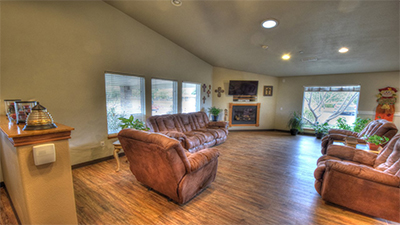
If the family members is split, it can help to entail the older adult in the conversation early and to tour communities together. Individuals are commonly much less immune when they can see what assisted living really resembles. An intense dining room, a clean house, and personnel who recognize the citizens by name can alter the emotional tone of the conversation in such a way that no phone call can.
Visiting neighborhoods with the right eyes open
Many individuals start searching for assisted living near me and rapidly understand that areas can look similar in the beginning look. The distinctions appear in the information. The top quality of the food, the perseverance of the team, the cleanliness of usual locations, the means locals are talked to, and the general energy of the structure commonly inform you more than the marketing material does.
When touring, take notice of whether homeowners appear engaged or just parked before a television. Notice whether team member greet people normally or appear hurried and far-off. Ask exactly how the area deals with changes in care requirements, after-hours assistance, and emergency situations. If the individual taking into consideration the step has amnesia, ask how staff members handle redirection and safety in a tranquility, respectful way.
It additionally aids to visit greater than when preferably. A lunch hour visit can feel really various from a peaceful mid-morning tour. The most effective communities usually disclose themselves in ordinary minutes, not just throughout scheduled presentations. You need to know exactly how they work on a Tuesday mid-day, not just just how they look when somebody is trying to impress a possible resident.
A brief tour can be enough to eliminate an area that really feels wrong, however a great choice often requires time. Households sometimes require to sit with what they saw, contrast notes, and review the inquiry after the psychological thrill of the tour fades.
When a short-term remain can answer the larger question
Not every decision has to be permanent on day one. Occasionally a temporary keep provides everybody the point of view they need. Respite care can be helpful when a caregiver needs a break, when a family members wishes to examine whether the older grown-up adapts well to a community, or when recovery after surgery or ailment has actually made independent living briefly unrealistic.
Short-term keeps can disclose things that are tough to forecast from the outside. Some individuals relax nearly promptly due to the fact that they enjoy not needing to take care of meals or home cleaning. Others end up being extra anxious in the beginning, then settle in after a week or 2 once the routine ends up being acquainted. A test period can aid differentiate temporary resistance from a true mismatch.
That said, a brief keep is not constantly a tidy simulation of permanent life. Individuals often behave differently when they understand something is short-lived. Still, respite care can be an important bridge, specifically when households are trying to make a decision whether the framework of assisted living feels supportive or restrictive for that particular person.
Signs that the move should occur quicker rather than later
There is a kind of delay that comes from thoughtful preparation, and after that there is a delay that comes from fear using a thoughtful face. The second kind can be hazardous. A family may maintain claiming they need "one more month" or "one more season," even as the dangers keep mounting.
An action should take place earlier rather than later on when the individual has already had a serious loss, is repetitively missing drugs, is no more consuming regular dishes, is leaving the range or doors hazardous, or is becoming increasingly separated and confused. Quick weight management, bad hygiene, wandering, and repeated confusion about time or location are specifically vital warning signs.
It is worth bearing in mind that waiting on a significant dilemma can make the transition much harder. A prepared relocation provides every person a lot more control. The individual can pick furniture, bring meaningful belongings, and get in the neighborhood with some dignity intact. A hurried move after hospitalization or an autumn usually really feels a lot more disorienting and traumatic.
A steadier method to consider the decision
The best fit is seldom the most inexpensive option, one of the most acquainted choice, or the one that preserves every old habit. It is the setting where the person can stay secure, revered, and as independent as feasible without stretching family members caretakers past reason.
For some people, assisted living is the minute life comes to be easier again. Meals are predictable. Aid is available. The isolation lifts. The household chores quits taking in the day. For others, the relocation seems like a loss, at the very least initially, and the family members has to relocate slowly, pay attention carefully, and keep changing. Both experiences can be true.
What matters most is not whether assisted living feels like surrender or success in the abstract. What matters is whether it matches the individual's real needs. If it does, the fit can be incredibly excellent. If it does not, the inequality normally appears promptly in frustration, safety problems, or a growing dependancy on family that never really resolves.
The ideal inquiry is not whether someone is ready to "quit" the home they have recognized. The much better question is whether their current home still provides the support, safety, and quality of life they are worthy of. When the answer begins to turn away from yes, assisted living might be the most functional and gentle next step.
BeeHive Homes of Levelland provides assisted living care
BeeHive Homes of Levelland provides memory care services
BeeHive Homes of Levelland provides respite care services
BeeHive Homes of Levelland supports assistance with bathing and grooming
BeeHive Homes of Levelland offers private bedrooms with private bathrooms
BeeHive Homes of Levelland provides medication monitoring and documentation
BeeHive Homes of Levelland serves dietitian-approved meals
BeeHive Homes of Levelland provides housekeeping services
BeeHive Homes of Levelland provides laundry services
BeeHive Homes of Levelland offers community dining and social engagement activities
BeeHive Homes of Levelland features life enrichment activities
BeeHive Homes of Levelland supports personal care assistance during meals and daily routines
BeeHive Homes of Levelland promotes frequent physical and mental exercise opportunities
BeeHive Homes of Levelland provides a home-like residential environment
BeeHive Homes of Levelland creates customized care plans as residents’ needs change
BeeHive Homes of Levelland assesses individual resident care needs
BeeHive Homes of Levelland accepts private pay and long-term care insurance
BeeHive Homes of Levelland assists qualified veterans with Aid and Attendance benefits
BeeHive Homes of Levelland encourages meaningful resident-to-staff relationships
BeeHive Homes of Levelland delivers compassionate, attentive senior care focused on dignity and comfort
BeeHive Homes of Levelland has a phone number of (806) 452-5883
BeeHive Homes of Levelland has an address of 140 County Rd, Levelland, TX 79336
BeeHive Homes of Levelland has a website https://beehivehomes.com/locations/levelland/
BeeHive Homes of Levelland has Google Maps listing https://maps.app.goo.gl/G3GxEhBqW7U84tqe6
BeeHive Homes of Levelland Assisted Living has Facebook page https://www.facebook.com/beehivelevelland
BeeHive Homes of Levelland Assisted Living has YouTube page https://www.youtube.com/@WelcomeHomeBeeHiveHomes
BeeHive Homes of Levelland won Top Assisted Living Homes 2025
BeeHive Homes of Levelland earned Best Customer Service Award 2024
BeeHive Homes of Levelland placed 1st for Senior Living Communities 2025
People Also Ask about BeeHive Homes of Levelland
What is BeeHive Homes of Levelland Living monthly room rate?
The rate depends on the level of care that is needed. We do an initial evaluation for each potential resident to determine the level of care needed. The monthly rate is based on this evaluation. There are no hidden costs or fees
Can residents stay in BeeHive Homes until the end of their life?
Usually yes. There are exceptions, such as when there are safety issues with the resident, or they need 24 hour skilled nursing services
Do we have a nurse on staff?
No, but each BeeHive Home has a consulting Nurse available 24 – 7. if nursing services are needed, a doctor can order home health to come into the home
What are BeeHive Homes’ visiting hours?
Visiting hours are adjusted to accommodate the families and the resident’s needs… just not too early or too late
Do we have couple’s rooms available?
Yes, each home has rooms designed to accommodate couples. Please ask about the availability of these rooms
Where is BeeHive Homes of Levelland located?
BeeHive Homes of Levelland is conveniently located at 140 County Rd, Levelland, TX 79336. You can easily find directions on Google Maps or call at (806) 452-5883 Monday through Sunday 9:00am to 5:00pm
How can I contact BeeHive Homes of Levelland?
You can contact BeeHive Homes of Levelland by phone at: (806) 452-5883, visit their website at https://beehivehomes.com/locations/levelland/,or connect on social media via Facebook or YouTube
You might take a short drive to the Levelland City Park.Levelland City Park provides shaded areas and benches that enhance assisted living, senior care, elderly care, and respite care outdoor activities.